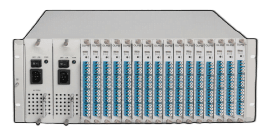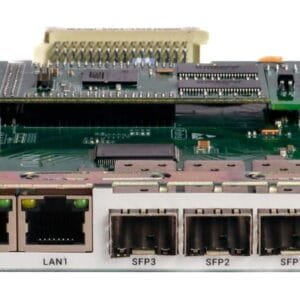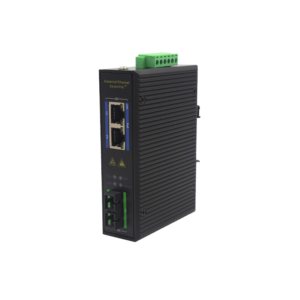
IPBS by Jiangsu Qianlue Information Technology Co., Ltd.
Jiangsu Qianlue Information Technology Co., Ltd.
What are IP-based systems?
IP-based systems utilize the Internet Protocol to send and receive data between devices over a network. This technology is not confined to computers; it encompasses a broad array of digital devices, including mobile phones, tablets, printers, and even some home appliances. The universality of IP ensures that these devices can interact seamlessly, making it a cornerstone for systems that require reliability and scalability.
Applications of IP-Based Systems
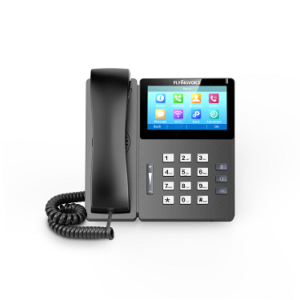
- VoIP (Voice over Internet Protocol): VoIP technology allows for voice communications to be conducted over IP networks, effectively turning standard internet connections into a medium for making phone calls. This technology significantly reduces call costs and increases flexibility by integrating with other digital communication forms like email and video conferencing.
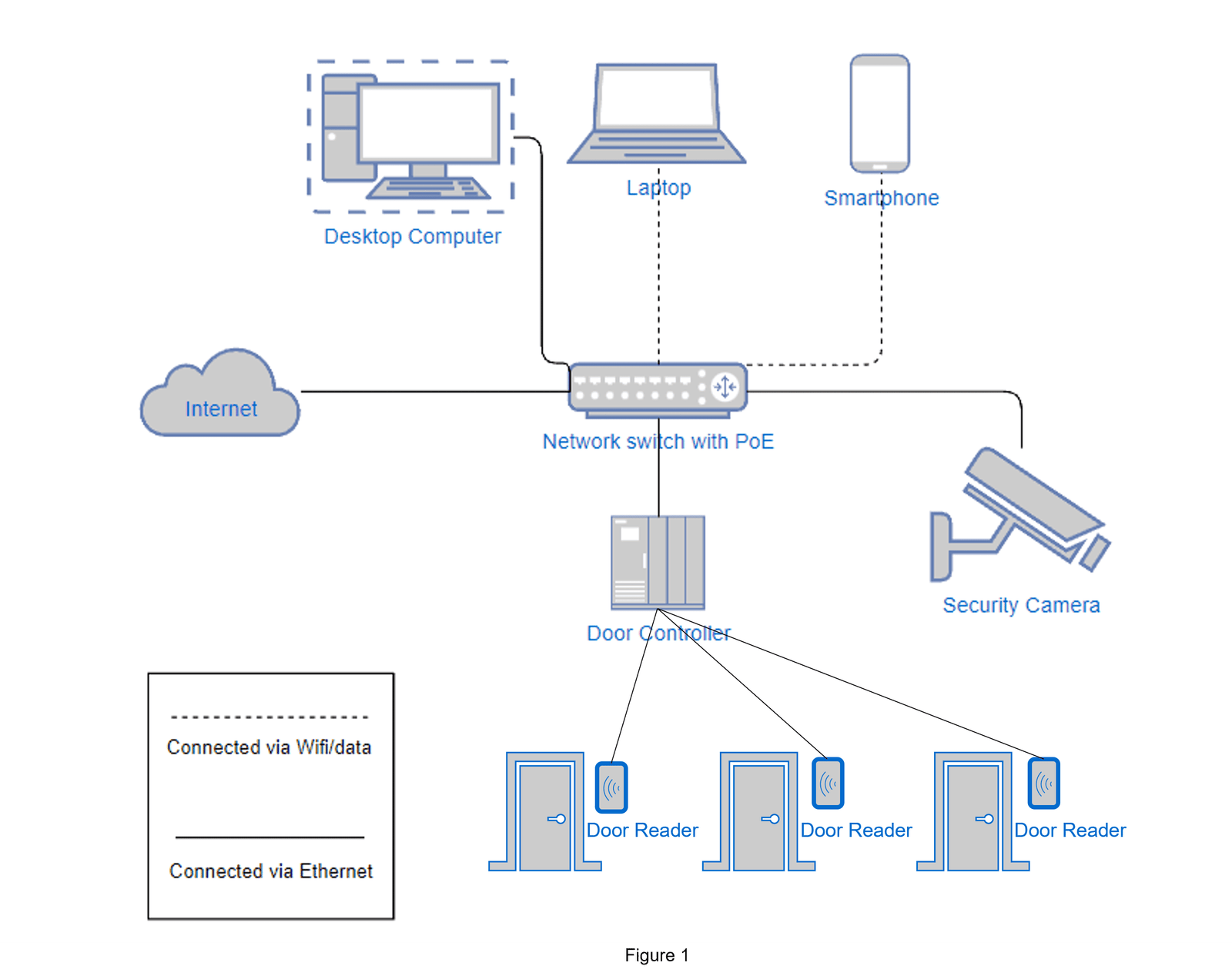
- IP Surveillance: Unlike traditional CCTV setups, IP surveillance systems connect security cameras to the internet, enabling remote monitoring from anywhere in the world. These systems offer high-resolution video feeds, easier installation, scalability, and the capability for advanced video analytics like motion detection and facial recognition.
- Smart Home Automation: IP-based systems are pivotal in smart home technologies, linking various home devices to a central system that can be controlled remotely via smartphones or computers. This integration facilitates the automation of lighting, heating, security, and entertainment systems, enhancing convenience and energy efficiency.
- Remote Sensing and IoT (Internet of Things): IP technology is integral to IoT, connecting myriad devices and sensors across different locations to collect and exchange data. This capability enables extensive applications in agriculture, healthcare, industrial automation, and urban planning, fostering more informed decision-making through real-time data.
Benefits of IP-Based Systems
- Flexibility: Devices can be added or removed without significant disruptions to the network.
- Scalability: Systems can expand in size and complexity without the need for extensive reconfiguration.
- Cost-Effectiveness: Reduces the need for dedicated networks and lowers communication costs.
- Interoperability: Promotes compatibility across different technologies and vendors.
Implementing IP-Based Systems
To effectively implement an IP-based system, it is essential to have a robust network infrastructure, reliable internet connectivity, and proper security measures in place. It also involves selecting appropriate devices and software that comply with IP standards to ensure seamless integration and operation.